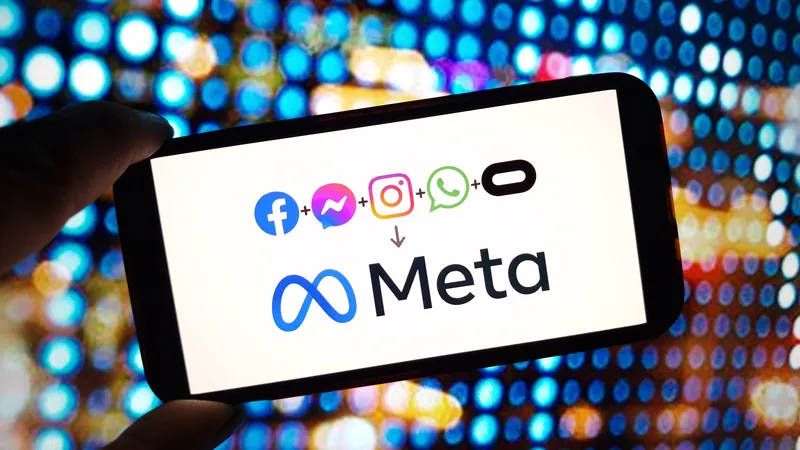
Meta’s answer to TikTok this week was to copy it and to shut it out. On Thursday (Oct. 8), Meta began blocking all ads and paid marketing from TikTok’s parent company, ByteDance, across its apps in the U.S. and six other countries, Music Business Worldwide reports, citing Bloomberg. The same week, a pair of tests suggested Instagram and Facebook may open on full-screen video by default.
The ad ban
The restriction covers the U.S., Canada, Egypt, Indonesia, Japan, Thailand and Vietnam. It also applies to third-party advertisers whose campaigns send users in those markets to TikTok or other ByteDance services. Meta’s case is simple: it doesn’t have to run ads from a competitor “whose goal is to pull people off our apps.”
Read moreDistroKid’s Quiet Takedowns, Explained: How UMG’s Lawsuit Is Hitting Independent Artists
A spokesperson, Chris Sgro, added that declining promotional services to a competitor is “a normal business practice across industries.” TikTok and ByteDance hadn’t responded to MBW’s request for comment.
The ban follows a feud that has escalated since August. Per Bloomberg, TikTok changed its rules in September to limit how users can leave for other social platforms, including removing dedicated Instagram links from profiles. It has also rejected Meta ads that urged it to sign up to teen-safety commitments like Meta’s own. Artists who used their TikTok bios to send fans to Instagram will have noticed the change.
The Reels test
Meanwhile, Meta is testing a more TikTok-like version of its own apps. The Verge reports that some Facebook users in India land straight in a full-screen video feed, and that an Instagram option puts Reels first when you open the app. Stories stay at the top, and a swipe brings up the usual feed. Screenshots shared by app researcher Radu Oncescu show Reels playing with sound on by default.
A Meta spokesperson, Devi Narasimhan, told The Verge the Instagram test is live in a handful of countries and that users can switch back to the old layout. Reels unmute once you swipe or tap into a video, she said. Meta has hinted that the Facebook version would reach “video-heavy countries” first, with a possible U.S. expansion in 2027.
Why this matters outside tech
Music and creator culture already run on vertical video. The Verge’s point is that the format keeps reshaping everything around it: podcasts become videos, videos become clips, and TV shows become “microdramas.” It cites Morning Consult polling that 81 percent of U.S. respondents had watched an Instagram Reel, while 39 percent said they’d posted one.
That gap is the story for artists and other creators. If Reels becomes the front door, the pressure to make short video for every release, tour date and podcast gets stronger. The same video-first logic shows up elsewhere: Spotify’s Partner Program pays eligible video podcasters a share of Premium video revenue, as we noted in Joe Rogan’s renewal.
Not every test becomes a feature, the Verge notes. And on the feud, TikTok has not responded publicly to Meta’s teen-safety campaign, Reuters reported.