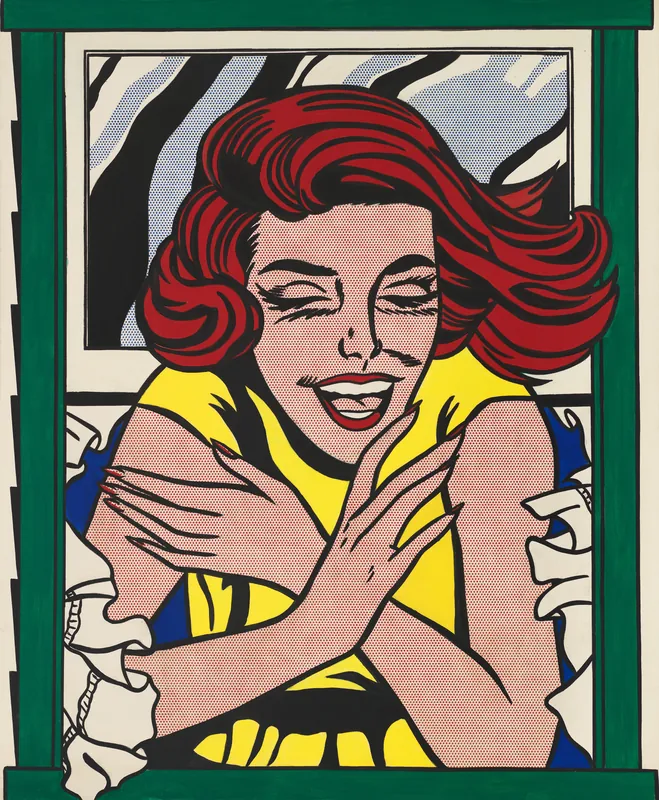
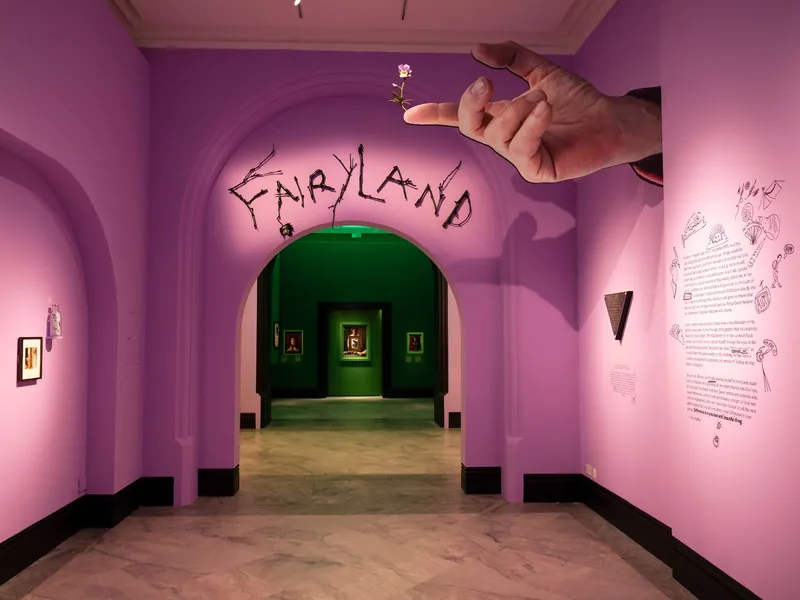
July is when the summer blockbusters hit full volume and the new openings are still fresh. These six are the ones worth planning a trip around if you live in music, fashion and internet-era culture: a centennial tribute to Hollywood's most copied face, a Duchamp retrospective that arrives with a urinal, two big London women's shows, Matisse's cut-outs in their last weeks, and a Venice Biennale built like a record. We picked from what is open now or opens this month, favored shows with a famous crowd, a famous dress code or a famous urinal attached, and spread them across Los Angeles, New York, London, Paris and Venice. Each entry gives the city and the dates. After Art Basel's big week and Thomas Bangalter's rave in the hall, this is the slower, better-lit part of the art year.
Marilyn Monroe: Hollywood Icon, Academy Museum, Los Angeles
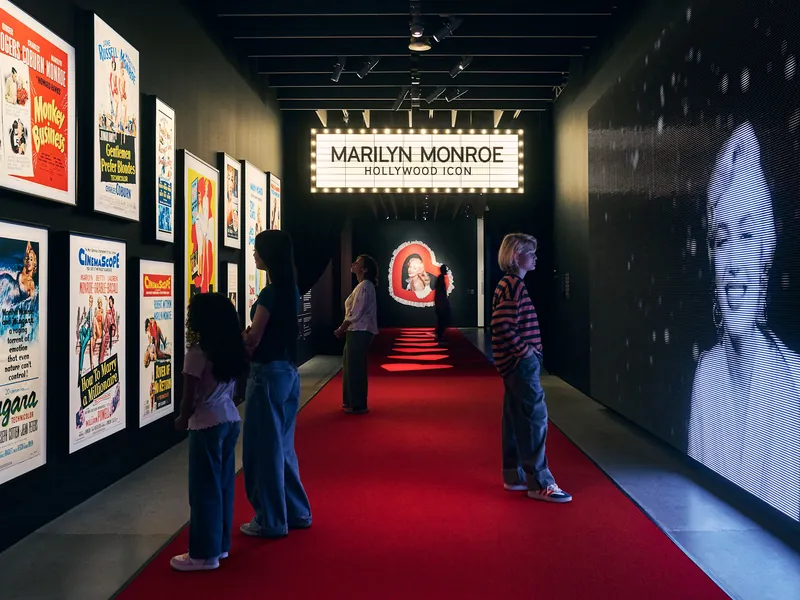
Monroe's centennial fell on June 1, and the Academy Museum answers it with a show that argues she was the author of her own image, not its victim. It opened May 31 on the museum's Level 3 and runs through Feb. 28, 2027. Hundreds of objects fill the Rolex Gallery, from posters and contact sheets to letters, plus screen-worn costumes including the pink Travilla gown from Gentlemen Prefer Blondes (1953) and two Orry-Kelly looks from Some Like It Hot (1959). Curator Sophia Serrano opens with the clothes as the hook and closes on a recreation of Monroe's Brentwood home. Her case rests on the contact sheets, where Monroe crossed out frames she didn't want printed. “It was a very carefully planned, orchestrated image,” Serrano told Art & Object. Serrano reads Monroe's decision to invite Life magazine into that home as an early celebrity overshare: “She was the original influencer.” Chanel is the show's backer, a fitting pairing for an exhibition that treats a wardrobe as a career plan.
Marcel Duchamp, MoMA, New York
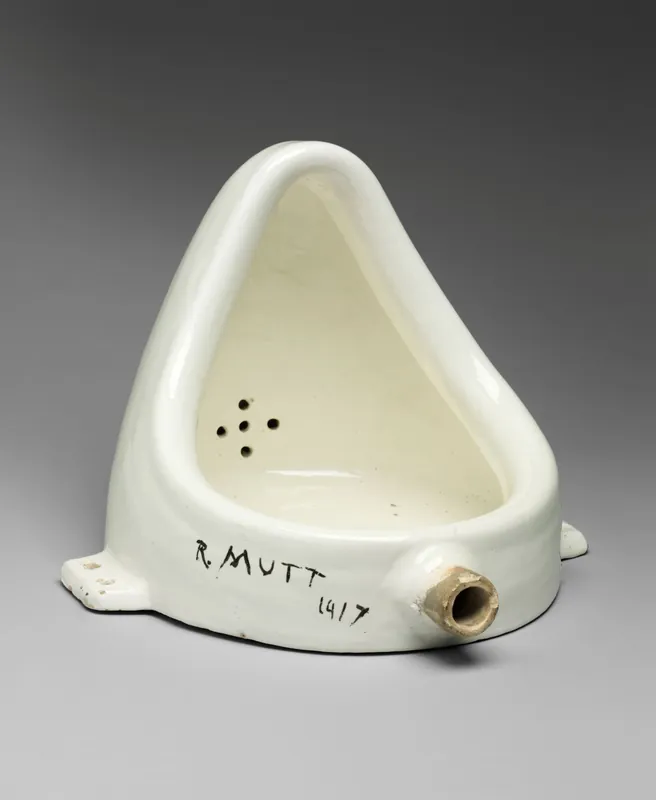
The man who signed a urinal “R. Mutt” gets the full treatment: roughly 300 works across six decades in the Steven and Alexandra Cohen Center for Special Exhibitions, April 12 through Aug. 22. MoMA bills it as “the first North American retrospective of the artist's work in over 50 years,” co-organized with the Philadelphia Museum of Art, where it travels next. The curators, Ann Temkin, Michelle Kuo and Matthew Affron, hang it chronologically, so the paintings come first, including Nude Descending a Staircase, No. 2 (1912). Those handmade canvases are the show's biggest surprise, Hyperallergic wrote, while the readymades “may feel quaint in 2026.” The urinal on view is the 1950 replica of the lost 1917 original, alongside a Bicycle Wheel, a Bottle Rack and the portable museum Box in a Valise. A century of artists, designers and rappers' creative directors have borrowed his move, and this is the first chance in North America in half a century to see the source in one place.
Tracey Emin: A Second Life, Tate Modern, London
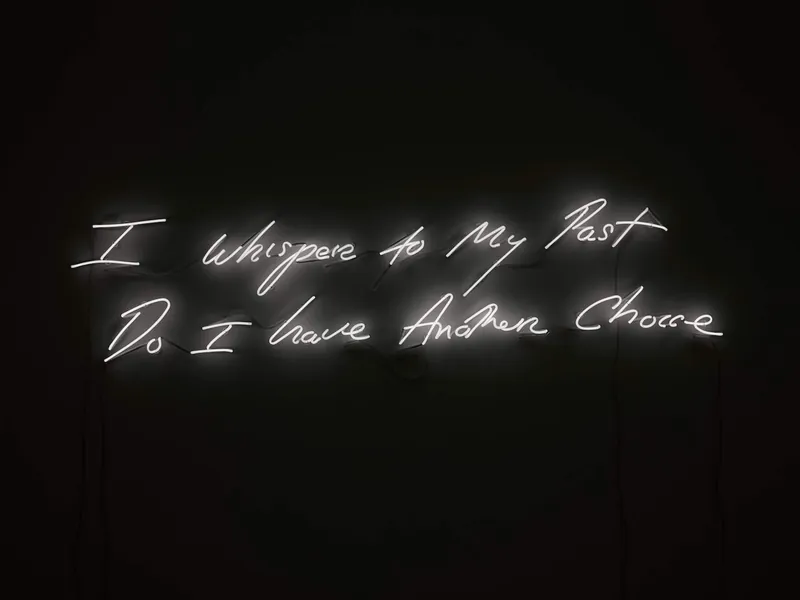
Tate Modern's biggest Emin show spans 40 years in the Eyal Ofer Galleries and, in partnership with Gucci, runs through Aug. 31. Neons, quilts, paintings, video and the Turner Prize-nominated My Bed (1998) all make the cut, but the hang has a twist: My Bed sits in the second half, beside a recent painting, a neon and a sculpture, with no wall text beside it. “I don't want them to think about my life,” Emin says in Studio International's review. “I want them to think about their own life.” She was made a Dame in 2024, and the show reframes the notoriety of her 1990s breakthrough as the first half of a longer story. It is the closest art gets to a diary you can stand inside. Tate lists a content warning at the door for sexual assault, abortion and life-threatening illness.
Matisse, 1941–1954, Grand Palais, Paris
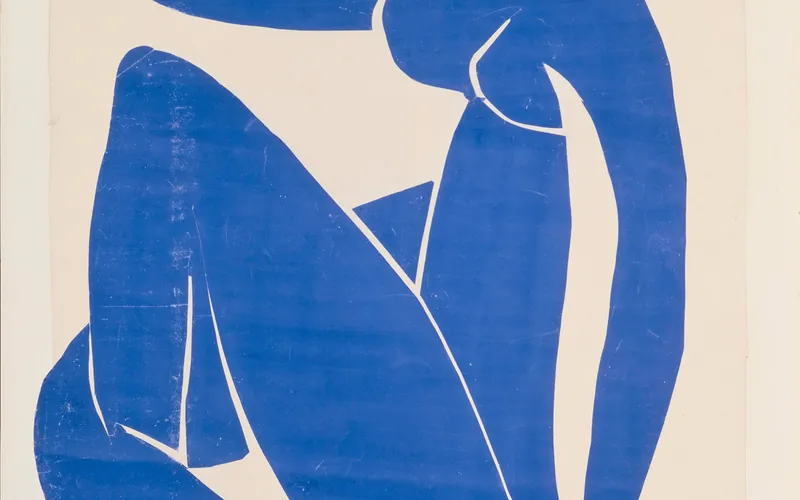
The last chance is the 26th. Matisse, 1941–1954 fills the Grand Palais with more than 230 paintings, drawings, illustrated books, textiles, stained glass and, the main event, the cut-out gouaches of his final years. The City of Paris lists the cut-outs as the artist's autonomous language: flat color made to be reproduced and scaled up, which is why they still read like graphic design. The show is organized with the Centre Pompidou, and it gathers the big figures in one room, including La Tristesse du roi, Zulma, La Danseuse créole and the Blue Nudes, plus the Vence Chapel material, the album Jazz and the monumental La Gerbe and Les Acanthes panels. Galerie Magazine calls it the centerpiece of this year's Matisse celebrations, and its light-filled halls suit the monumental gouaches.
Ana Mendieta, Tate Modern, London
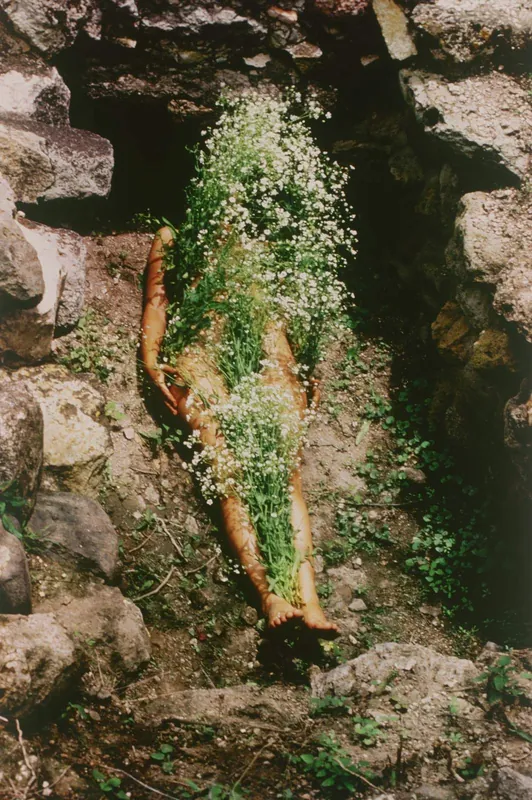
The second Tate Modern opening is the one to circle for July 14. Mendieta's Silueta Series, her fire-, water- and flower-made imprints of the body, survive only as photographs and films, and the show pairs them with newly remastered film, early paintings and late sculptures, many never seen in the UK. Tate calls it “the first in-depth UK show of her work in over ten years,” organized with her estate and running through Jan. 17, 2027. The Cuban-born artist, who worked in the 1970s and early '80s, explained why she left painting behind in plain terms: “I wanted my images to have power, to be magic.” Tate says the show will continue outside the gallery walls, a nod to her relationship with the natural world. The lead image, Imágen de Yágul (1973), shows her body covered in small white flowers among the stones, and it is the right place to start.
In Minor Keys, Venice Biennale, Venice
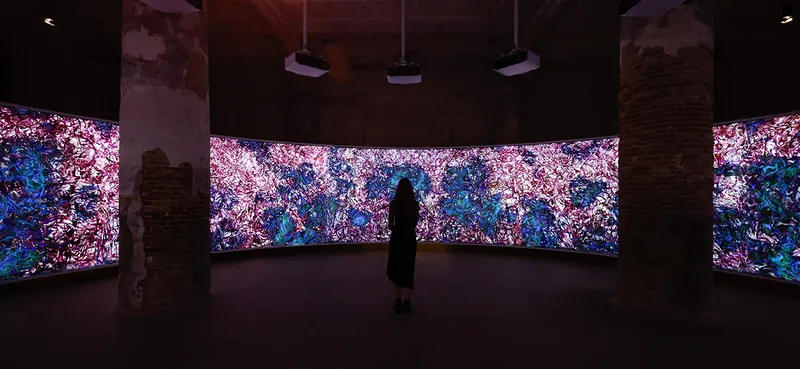
The 61st Biennale runs May 9 to Nov. 22 across the Giardini, the Arsenale and the rest of Venice, and it is the only one of the six built like a record. Curator Koyo Kouoh died in May 2025, and the Biennale, with her family's support, carried out the exhibition exactly as she defined it: 110 invited participants, 100 national pavilions, seven countries appearing for the first time and 31 collateral events. The title borrows from music. In Kouoh's text, minor keys, often linked with melancholy, also carry “joy, solace, hope and transcendence,” and she asked visitors to slow down and “tune in to the frequencies of the minor keys.” The Biennale's own pitch is “a listening zone tuned in to a lower frequency,” and in a month of crowded blockbusters it is a persuasive reason to go. It runs the longest of anything here, so it is the one to leave for last.
If time is short: the Matisse closes first, on July 26, and the Duchamp follows on Aug. 22. Emin runs to the end of August, while Marilyn Monroe, Ana Mendieta and the Biennale carry on into the fall and winter.
- M
- a
- M
- a
- T
- r
- M
- a
- A
- n
- I
- n
Sources
Added to the High Grailed archive on October 12, 2026.